Sex differences and gender bias on memory tests in older adults.
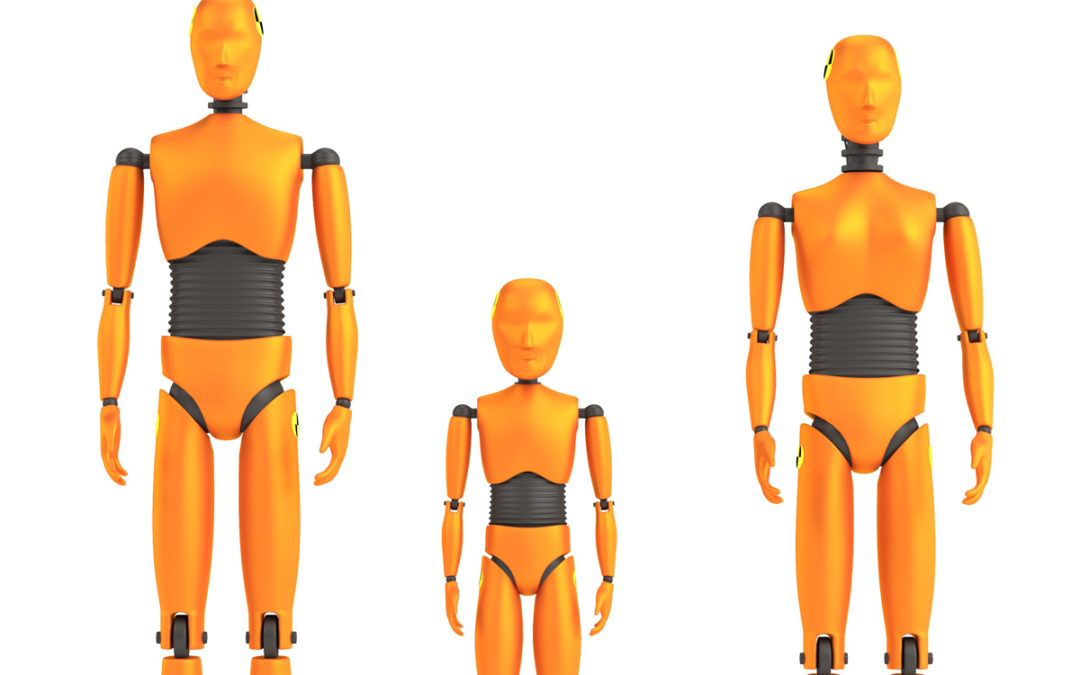
Car crashes used to be more dangerous for women because of the way crash test dummies were designed. In the 20th century, dummies were modeled after men. We speak of “male-centric design”, a form of androcentrism, in this case ignoring female body types. We can find the same issue in psychology: guidelines for diagnosing autism which focus much on the male phenotype, including a narrow conceptualisation of special interests (trains, programming …). Cognitive tests, too, can overlook sex differences, with possible consequences for dementia detection. That’s the focus of a project led by Dr Kirsty Lu, from UCL’s Dementia Research Centre (DRC). I had only a small part in it, but this is a neat paper and connects to at least one current project in which I am much more involved.

Kirsty looked at the Face-Name-Test (FNAME): People have to remember which picture of a face goes with which name and occupation. The study included data from 452 people. In this version of the FNAME, there were six male and six female faces. I helped establish that the job titles paired with male and female faces were comparable in terms of linguistic features that could affect recall. Despite this balanced design, women performed better than men, but only on the items with female faces; men found it harder to remember the names and jobs of women.
Many cognitive tests account for demographic factors. Age is a common one. The same raw score can translate into a higher standardised score for an older person, reflecting the expectation that older people perform slightly worse on average. Education is factored into cognitive screens such as the Montreal Cognitive Assessment. However, I am not aware of any test for adults which takes sex into account when interpreting scores, though our paper suggets it may be worth doing so.
In “my area”, where we analyse spontaneous language production to identify cognitive disorders such as dementia, it is rare to account for demographic variables beyond age. I am the primary PhD supervisor of Ioana Sederias, who is currently writing up her results of a study using DRC data from healthy controls. She found no age effect at all on lexical and grammatical measures, but she did find sex and education effects. I suspect the underspecification of demographic factors is what limits the accuracy of current dementia detection models of language.